Burnout is not tiredness, and it is not a weakness of character. It is a state of emotional, physical and cognitive exhaustion resulting from unresolved chronic occupational stress. The World Health Organization added it to its international classification in 2019 as an occupational phenomenon — not a personality trait.
The three dimensions to watch
- Exhaustion: waking already emptied, with weekends no longer repairing anything.
- Cynicism: a cold, irritable distance from colleagues or patients you used to care about.
- Loss of efficacy: a persistent sense of doing nothing properly, regardless of actual results.
To these three pillars are added bodily signals we readily blame on something else: sleep disturbance, back or digestive pain, repeated infections, palpitations. Many patients first consult in gastroenterology or cardiology. That is often where the diagnosis is made.
Seeking help is not quitting
Treatment rarely rests on sick leave alone. It combines real recovery time, cognitive behavioural therapy targeting over-engagement mechanisms, and concrete work on how the job itself is organised. In most properly followed cases, returning to work is possible within three to six months — and sustainably, which is the real measure of success.
The author
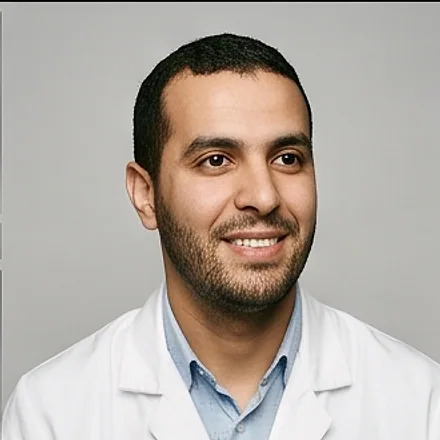
Dr Nabil Zouhair
Head of Department — Mental Health
Nabil Zouhair fought for the mental health unit to have its own entrance: in Morocco, the first barrier to psychiatric care is not price, it is other people’s eyes. He consults in Darija, Arabic, French and English.
Learn moreThis article is for information only and does not replace a medical consultation. If you have symptoms, please see a healthcare professional.