Fever is not a disease: it is an immune response, and a useful one. A child at 39 °C who plays, drinks and smiles is far less worrying than a child at 38.2 °C who is listless, whimpering and refusing fluids. The thermometer measures a temperature, not a severity.
Come in without delay if
- Your child is under three months and exceeds 38 °C — whatever their apparent state.
- They are abnormally drowsy, hard to rouse, or conversely inconsolable for several hours.
- Red or purple spots appear and do not fade under the pressure of a glass.
- They breathe fast, draw in between the ribs, or their lips take on a bluish tinge.
- The fever lasts more than three days, or returns after forty-eight hours of respite.
What no longer to do
Cool baths, alcohol rubs and stripping a child bare belong to the last century: they trigger shivering that pushes core temperature back up, and they are poorly tolerated. Light clothing, a room at 19–20 °C and drinks offered often, in small amounts, are enough. Paracetamol is given for the child’s comfort, not to bring down a number.
Look at your child, not your thermometer. A parent who feels “something isn’t right” is correct far more often than they think.
The author
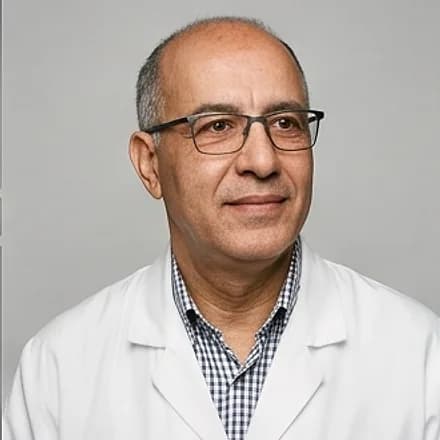
Dr Karim Benjelloun
Head of Department — Paediatrics
A co-founder of the clinic, Karim Benjelloun designed the paediatric wing around one non-negotiable constraint: no child should wait in the same room as an adult. He also runs the immunisation programme and its automated recalls.
Learn moreThis article is for information only and does not replace a medical consultation. If you have symptoms, please see a healthcare professional.